Motorists rarely plan for a flat. It arrives at the worst moment, on a rain-lashed bypass after midnight, outside a client’s office with the clock ticking, or halfway through a family trip when the boot is already packed tight. A dependable emergency mobile tyre fitting service exists for precisely these moments, bringing a fully equipped workshop to your kerb, car park, or hard shoulder. Done well, it is rapid, safe, and cost-effective compared with towing, and it turns a stressful breakdown into a manageable delay.
Years of managing on-road support teams and handling night-call logistics taught me what separates a trustworthy 24 hour tyre fitting service from a number on a search page. Response times are only half the story. The right technician arrives with the correct tyres on board, sizing tools ready, TPMS expertise, and the judgement to decide when a repair is both legal and sensible. This guide unpacks what excellent 24 7 mobile tyre fitting looks like, how to choose a reliable operator, what to expect on-site, and how to weigh repair versus replacement without guesswork.
Why roadside tyre help is different from a normal garage visit
Bricks-and-mortar bays control the environment. They have fixed hoists, bench tools, and a waiting area. Mobile crews work where your vehicle failed, adapting to poor lighting, tight kerbs, active carriageways, gravel verges, and multi-storey car parks that might not allow vans over two metres. The skill is bringing workshop capability to the vehicle with enough redundancy to operate safely.
A typical emergency mobile tyre fitting van carries a compact tyre emergency mobile tyre fitting changer, balancer, air compressor, power supply, jacks, torque wrenches, bead sealer, repair stems and mushroom plugs, valves including TPMS-compatible options, and a selection of common tyre sizes. The great ones also stock winter-rated tyres in-season, run-flat replacements, and a live inventory that syncs with suppliers so the driver knows exactly what is on board. When the van rolls, the job is usually solved in a single visit. When it is not, coordination kicks in, sourcing the exact tyre from a nearby depot within one to two hours, or fitting a safe temporary option to get you moving.
Common scenarios that trigger an emergency callout
The pattern is surprisingly consistent across thousands of jobs. Sharp debris causes sudden deflation on motorways in the small hours. Urban journeys see slow punctures accumulate overnight, only discovered when the school run is already late. Kerb strikes on narrow streets knock wheels out of shape and slice sidewalls, especially on low-profile tyres. Construction vehicles pick up screws on site. Company fleets discover a van down before first drops, jeopardising routes. Taxis and ride-hailing drivers tend to call near stations or night venues, where every idle minute costs fares.
Each situation nudges the decision-making. A slow puncture near home might be repairable with a mushroom plug after an internal inspection. A split sidewall from a kerb strike demands an emergency tyre replacement on the spot. A motorway blowout raises safety planning above all else: driver protection, van positioning, and traffic awareness come first, tyre work second.
Safety and legality: rules that steer decisions on the roadside
Decent callout services treat safety as a checklist rather than a talking point. Their policies mirror standard roadside safety guidance: fluorescent PPE, traffic-side avoidance when possible, cones or beacons, and refusing work where conditions are inherently unsafe without highway patrol assistance. You want technicians who explain calmly what they will and will not do, and why.
The law is unambiguous about tyres. They must meet the required load and speed rating, be free from cuts or bulges exposing cords, and have tread depth above the legal minimum. Most conscientious operators advise replacement well before the legal limit to preserve wet grip, but they will show you a tread gauge reading so you can see the real figure. Temporary repairs must comply with recognised standards. In practical terms, that means a puncture in the repairable zone of the tread, no structural damage to sidewalls, and no heat or underinflation damage that compromises the carcass. If a tyre ran flat for too long, internal cords can overheat, making repair unsafe even if the hole looks small. A reliable technician will prove this point by showing the inner liner after dismounting the tyre.
When repair is safe and when replacement is the only option
A good rule of thumb: small, clean penetrations in the central tread area, found early and not driven for miles at zero pressure, are often repairable. The best repair on cars and vans remains an internal mushroom plug after proper preparation, not an external string-only approach meant for temporary recovery. A string to get you off the motorway, then a garage-grade internal repair when safe, is defensible, but many mobile vans perform the full internal job on-site.
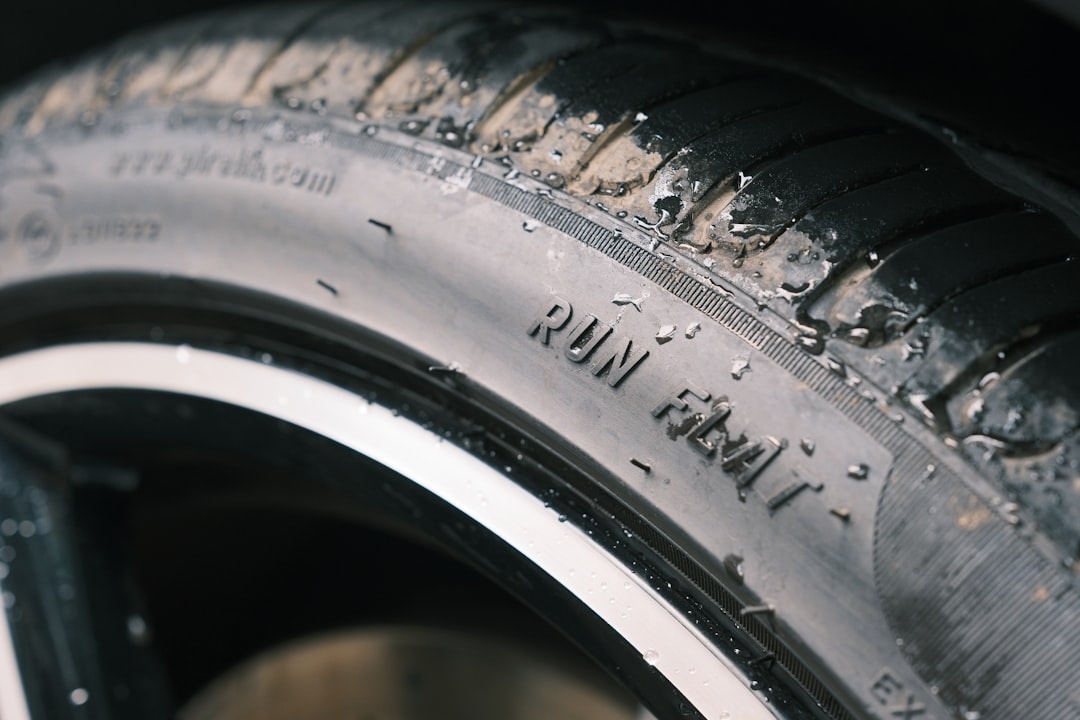
Repair stops being appropriate when the puncture sits in the shoulder or sidewall, where the tyre flexes. Cuts, torn beads, or significant impact marks also disqualify. Run-flats complicate things. Some manufacturers permit repair if strict criteria are met and the tyre did not run excessively at low pressure, but many professionals prefer replacement due to hidden damage risk and liability. If you carry heavy loads or drive at motorway speeds daily, erring toward replacement buys peace of mind that shows up in emergency braking and wet grip performance.
Response time reality for 24 hour tyres
Marketing promises an instant arrival, but street-level performance depends on geography, traffic, and the time of day. In dense urban areas, a 40 to 90 minute window is common for emergency tyre change jobs, shortening after midnight when roads clear. Suburban response may fall in the 60 to 120 minute range. Remote routes can stretch beyond two hours if the correct size is not on board and a depot run is required. Companies with multiple vans spread across zones usually beat single-van operators, not just on arrival but also on stocking breadth. Ask two questions up front: the realistic ETA and whether they have your exact size and rating on the van. If they do, the chance of a true one-visit fix goes up sharply.
What a professional visit looks like step by step
A calm, predictable flow keeps stress down. The operator calls as they approach, confirms your exact location and safe stopping position, and reviews the tyre size printed on your sidewall or manufacturer sticker. When they arrive, they park slightly upstream of your vehicle to create a protective buffer, deploy beacons, and assess the surface for jack placement. They gather your locking wheel nut key if needed and check torque specs.
If repair looks plausible, the tyre comes off the wheel for an internal inspection. The professional cleans, patches, and balances the assembly, then refits it with new valve components, including a TPMS valve if applicable. If replacement is the call, they match the load index and speed rating, align brand or pattern where possible with your remaining tyres, and balance the new wheel and tyre unit. Finally, they torque the wheel bolts in a star pattern to the correct figure, reset the TPMS, and provide a pressure reading on all four tyres if you agree, because an emergency often reveals that the other three are underinflated too.
What to do in the minutes before help arrives
If you are stuck on a live carriageway, protect yourself. Exit on the non-traffic side if safe, stand behind a barrier or well away from the flow, and use hazard lights. Avoid changing a tyre yourself on a motorway hard shoulder. In town or a car park, set hazards, apply the handbrake, and avoid jacking unless you are confident and the ground is flat and firm. If you use a sealant canister temporarily, tell the technician when they arrive. Foam can clog sensors and complicate repairs, but knowing in advance helps them prepare.
A brief checklist helps in the moment without adding fuss:
- Share your exact location, vehicle model, tyre size, and visible damage details when you call. Keep your phone on, volume up, and stay where the technician can see you. Find your locking wheel nut key if your wheels use one. Move passengers to a safe position away from traffic. Switch off automatic parking brake features only when the technician asks.
The economics of emergency tyre fitting
Callout work carries a premium over pre-booked garage visits. You are paying for rapid response, tooling that comes to you, and extended working hours. Pricing varies by city, time of day, and tyre size, but a sensible band includes a base callout fee, the tyre cost, balancing, valve or TPMS service, and environmental disposal. Out of hours charges apply after evenings and on weekends. If you request a specific premium tyre model at 2 a.m., you may either accept a high-quality mid-range tyre immediately or wait until morning for the exact brand, balancing immediate mobility against preference.
Fleet managers run the numbers differently. Each van off the road can cost hundreds per day in lost deliveries or missed SLAs. Many fleets sign service-level agreements for 24 hour tyre repair or replacement that prioritise uptime, with pre-agreed tyre brands and set caps on callout pricing. The best contracts include performance metrics, such as average response time and first-time fix rate, that keep standards high.
Choosing a service worth saving in your phone
Not all 24 hour mobile tyre fitting providers operate to the same standard. A polished website is not proof of night-time capability. Look for an operation that publishes its coverage area with realistic ETAs and carries a visible inventory or explicit partnerships for sourcing. Reviews that mention real times and specific tyre sizes carry more weight than generic praise. When you call, clarity in the first minute is telling: does the dispatcher ask for your size and load index, confirm TPMS details, and set expectations about repair versus replacement? Do they disclose callout and after-hours fees plainly?
A note on national versus local players. National networks offer breadth and multi-van redundancy, which helps at 3 a.m. Local specialists often bring deep knowledge of tricky parking rules, private estates, and car park height limits that confound bigger vans. A hybrid approach works: keep one national and one local number, then choose based on where you break down.
Technical nuances that make a difference on the road
Two small details determine whether your car leaves safer than before. First, balancing done correctly. Mobile balancers today are precise enough to produce results comparable to fixed bays, but the operator needs a stable platform and the patience to re-spin if results look off. An imbalance you might tolerate at 30 mph becomes annoying at 70 mph. Second, torque accuracy. Wheel bolts overtightened with an impact gun are a menace. Measuring torque with a calibrated wrench avoids warped brake discs and future roadside headaches when you or another technician cannot remove a wheel easily.
Modern vehicles add TPMS complexity. There are two main systems: direct sensors inside the wheels and indirect systems that infer pressure from wheel speed. Direct systems require care during tyre removal to avoid damaging the sensor. Batteries inside sensors do fail, typically after five to ten years, sometimes sooner if exposed to cold or heat cycles. When a battery dies, the sensor must be replaced. Good mobile services carry compatible sensors and programming tools to match your vehicle. Ask whether their technician can clone an existing ID so your car does not require a relearn drive cycle in traffic.
Run-flats, popular on certain marques, are engineered to support the car briefly when deflated. They require special handling to avoid bead damage during removal. Mobile tyre changers with the right assist arms make this feasible at the roadside, but a careful operator will still warn you if the wheel shows prior bead scoring. If the tyre ran too long at low pressure, expect a recommendation to replace rather than repair, no matter how tidy the puncture looks from the outside.
Thinking ahead: tyre choice that reduces future emergencies
A single emergency becomes an opportunity to reset your tyre strategy. Matching original fitment specifications matters, but within that, you can choose a pattern that suits your driving. Commuter-heavy motorway miles reward tyres with strong wet braking ratings and good noise control. Rural drivers who see frequent potholes might prefer slightly taller sidewalls with robust sidewall construction, accepting a small reduction in steering precision for greater resilience. If you regularly carry heavy loads, check the load index and consider reinforced variants that keep temperatures lower on long runs.
Seasonal switching is not only for alpine trips. In temperate climates, an all-season tyre with a 3PMSF symbol can dramatically improve cold, wet performance on winter mornings without the hassle of swapping sets. If you head into snow proper, true winter tyres remain the safer bet. Mobile services that stock winter options during the colder months provide a real advantage, especially for vans that must keep to schedules in marginal conditions.
Environmental handling done right
A service that respects the environment treats old tyres as a responsibility, not a waste byproduct. They should collect the casings, document disposal, and use licensed recyclers. Recovered materials often end up as crumb rubber for sports surfaces or in civil engineering. If you ask, they should be able to tell you where the old tyre will go, not just that it is “taken care of.” Small touches, like reusing valve caps where suitable and avoiding unnecessary replacement of TPMS components, reduce waste without compromising safety.
https://mobile-tyre-fitting.com/Special case: motorways and high-speed roads
Working on a hard shoulder or a live lane is a different risk category. In many regions, smart motorways complicate matters by removing the permanent hard shoulder. A professional operator will insist that you allow the authorities to set a lane closure or protective measures if your stop location is dangerous. That pause is not foot-dragging; it is life-saving. If you can exit to a service area on a flat, do so and call from there. If you cannot, call both your breakdown cover and the tyre service. Coordination between the two can result in the tyre technician meeting you after recovery to a safe spot, getting you back on the road without a second appointment.
Electric vehicles and hybrids: what changes in an emergency tyre change
Electric vehicles add weight and battery placement considerations. Jacking points are specific and must be respected to avoid underbody damage. Low rolling resistance tyres are common, and their sidewalls are often tuned for EV weight. Replacing like with like keeps efficiency and range estimates accurate. Note that some EVs arrive without spare wheels and rely on sealant kits. Sealant can work for small punctures but compromises some sensors and makes internal inspection messy. A prepared mobile technician carries solvent and additional protective gear and will explain whether the repaired tyre remains fit for EV duties, particularly regarding load and heat management.
Hybrids share some EV traits but generally weigh less. They still benefit from exact load index matching and careful balancing, because regenerative braking can amplify vibration sensations through the drivetrain.
What happens after the van leaves
A professional closes the job with documentation: tyre size and brand, DOT code, load and speed rating, measured pressures, torque values, and repair location if applicable. Keep that record. It helps diagnose future issues and protects you if a different garage later misreads the tyre history. Expect the technician to suggest a pressure check after a day or two, simply to confirm that everything bedded in correctly. If the TPMS was reset, the warning light should stay off. If it reappears, call back; reputable operators will revisit or troubleshoot without argument because they value trust more than a disputed invoice.
In many cases, they will recommend checking wheel alignment soon, especially after an impact or if the original puncture followed a pothole hit. Misalignment scrubs a new tyre quickly and unevenly. A 20-minute alignment session can add thousands of miles of healthy tread life.
How 24 hour tyre repair integrates with broader roadside support
Tyre incidents rarely occur in isolation. A curb strike that shredded a sidewall might also bend a wheel. A technician with access to mobile wheel straightening can save the day, but more often the correct approach is a temporary fit and a plan to refurbish or replace the wheel later. If your battery is weak after a long hazard-light wait, jump-start assistance might be needed before departure. The most helpful providers recognise these tangles and either offer add-on support or coordinate with their network so the handoff is smooth.
For companies, adding emergency mobile tyre fitting to a broader fleet support program streamlines reporting and cost control. Centralised authorisation reduces back-and-forth calls at midnight. Pre-approval thresholds for certain sizes or brands prevent delays. And a simple rule like “replace if tread below 3 mm, repair if above and safe” translates into faster decisions on the kerb.
Selecting between emergency tyre replacement and waiting until morning
There are moments when immediate mobility matters less than getting the exact brand and pattern match next day. If your car runs a performance tyre with asymmetric tread and you care about steering feel, or if the other three tyres are new and you want to avoid mixing patterns, you can ask for a high-quality temporary option to get you home at moderate speed, then schedule a matched pair or full set in daylight. The technician’s job is to outline the options honestly, including the impact on handling, ABS interactions, and noise. Matching pairs on the same axle generally matters more than brand loyalty.
Semantic aids for clarity
- Entity: Mobile tyre fitting service, attribute: Response time, value: 40 to 120 minutes depending on location and stock. Entity: Tyre, attribute: Legal tread depth minimum, value: Statutory threshold, with practical safety margin recommended above it. Entity: TPMS sensor, attribute: Battery life, value: Approximately 5 to 10 years. Entity: Run-flat tyre, attribute: Repair policy, value: Conditional, often replaced due to internal heat damage risk. Entity: Fleet contract, attribute: KPI, value: First-time fix rate and average ETA.
How to speak the same language as your tyre technician
Knowing your tyre size and load index speeds everything up. The format on the sidewall reads like 225/45 R17 94W. The first number is width in millimetres, the second is aspect ratio, R denotes radial construction, the next number is the rim diameter in inches, and the last alphanumeric pair shows load index and speed rating. If your vehicle carries XL or reinforced markings, mention it. If your dashboard shows a TPMS light, say whether it appeared before the incident. Clarity at the start lets the dispatcher choose the right stock and tools, reducing the risk of a second visit.
The value of disciplined process at 2 a.m.
When fatigue sets in, method carries you. The best 24 hour tyre fitting teams run simple, disciplined routines. They photograph wheel orientation before starting, they bag TPMS components to prevent mix-ups, they write torque values on the work slip, and they check pressures on all tyres rather than only the one they touched. Every small habit reduces the chance of a callback and keeps you safer than before you called.
What sets premium services apart
A few touches stand out. Transparent, itemised pricing presented before work begins. Stock visibility that tells you in plain language whether your exact tyre is onboard. Adaptable scheduling, so if you cannot wait at the roadside, they meet you early morning at your driveway instead. Respect for your car: clean gloves for interior work, wheel nut caps replaced, centre caps aligned if you care about that, and wheels torqued by hand rather than blasted on with an impact gun. A courtesy phone call the next day is rare, and it is a marker of service quality.
Integrating technology without losing judgement
Live dispatch software helps. GPS shows the nearest van. Inventory tracking avoids wasted trips. TPMS programming tools cut relearn times. None of these remove the need for human judgement. The decision to attempt a repair or recommend an emergency tyre replacement depends on the technician’s eyes, the feel of the bead as it sits, the look of inner-liner heat marks, and the vivid memory of tyres that failed because caution gave way to convenience. Trust the operator who explains the trade-offs clearly and invites your choice within safe bounds.
Frequently misunderstood issues
People often assume a puncture is always obvious. A nail can lodge, seal the hole temporarily, and leak only at speed or under cornering loads. Another misconception is that all tyres with the same size behave the same. Construction, rubber compound, and sidewall stiffness vary widely. Swapping brands on one axle can subtly alter the car’s bias in emergency maneuvers. This is manageable but worth noting, especially on powerful rear-wheel drive cars or vehicles with performance-oriented stability control systems.
There is also confusion about foam sealants. They are lifesavers for short, low-speed journeys to safety, but they are not a permanent fix. Some sealants complicate subsequent repairs or sensor health. If you used a can, tell the technician. They will adapt, rinse the inside of the tyre and wheel, and decide whether a proper internal repair remains safe.
Assurance you deserve from a 24 hour mobile tyre fitting provider
You should expect three things without prompting: a clear ETA with updates, an informed recommendation that references your tyre’s load and speed rating, and documented work with torque figures and pressures. If you do not receive these, you are not dealing with a top-tier service. In the moment, the difference shows up as competence. In the months after, it shows up as tyres that wear evenly, a steering wheel without shimmy at speed, and no surprise warning lights.
The quiet value of prevention
Emergencies decline when a few habits stick. Check pressures monthly and before long trips, including the often-forgotten spare. Rotate tyres at reasonable intervals if your vehicle permits it. Keep an eye on tread depth with a simple gauge rather than guessing by sight. Slow down a touch for potholes and take wider arcs around sharp kerbs if space allows. If your commute crosses construction zones regularly, recognise the elevated puncture risk and consider a slightly more robust tyre model next time. These small changes do not eliminate randomness, but they move the odds significantly in your favour.
Where 24 hour tyre repair meets customer care
A flat tyre turns an ordinary day into a small emergency. A conscientious operator knows this and tempers technical skill with empathy. They keep you informed, they move briskly without rushing, and they treat your car and your time with respect. This is the standard to look for, day or night. With the right number saved and a bit of practical knowledge in your pocket, an emergency tyre change becomes a brief interruption rather than a full-stop problem.
When you need help, ask for exactly what you need using plain language: “I’m at the southbound services, bay 12, a slow puncture on a 225/45 R17, load index 94, TPMS light on. Do you have that size on board, and what’s your ETA?” That one sentence, delivered calmly, sets the whole rescue in motion. And a trusted 24 hour mobile tyre fitting service will answer in kind: clear, competent, and already on the way.
Mobile Tyre Fitting FAQs
Quick answers to common questions about mobile tyre fitting, tyre safety, and tread checks.
How much does a mobile tyre service cost?
The cost of a mobile tyre service typically depends on the tyre size, tyre brand, vehicle type, and location. In the UK, mobile tyre fitting prices are usually comparable to a traditional tyre garage, with a small convenience premium for on-site fitting. Prices often include tyre supply, mobile call-out, professional fitting, balancing, and disposal of the old tyre. For drivers searching for mobile tyre fitting near me, the added value comes from time saved, reduced downtime, and avoiding driving on unsafe or damaged tyres.
Can tyres be fitted at home?
Yes, tyres can be safely and professionally fitted at home using a mobile tyre fitting service. Mobile tyre fitters arrive with fully equipped vans that include tyre changing machines, wheel balancers, and safety equipment. Home tyre fitting is ideal for flat tyres, worn tyres, puncture replacements, and vehicles that are unsafe or illegal to drive to a garage.
What is the 3% tyre rule?
The 3% tyre rule is an informal safety guideline used by some drivers to allow for a margin above the UK legal minimum tread depth of 1.6mm. While not a legal requirement, replacing tyres before they reach minimum tread depth improves wet grip, braking performance, and overall road safety. Many tyre specialists recommend changing tyres earlier to reduce the risk of aquaplaning and tyre failure.
Is a mobile tyre shop any good?
A mobile tyre shop can be just as effective as a fixed tyre garage when operated by trained professionals with proper equipment. Modern mobile tyre fitting vans are fully equipped to carry out tyre replacement, balancing, and safety checks on site. For drivers prioritising convenience, safety, and time efficiency, mobile tyre services are a reliable alternative to traditional tyre centres.
Is mobile tyre fitting worth it?
Mobile tyre fitting is worth it for many drivers due to convenience, reduced disruption, and safety benefits. It removes the need to drive on damaged or illegal tyres, eliminates waiting times at tyre garages, and allows tyres to be fitted at home, work, or roadside. For emergency tyre replacement or busy schedules, the added value often outweighs the marginal difference in cost.
What is the 20p trick for tyres?
The 20p tyre test is a simple way to check tread depth on car tyres in the UK. By inserting a 20p coin into the main tread grooves, drivers can see whether the outer band of the coin is visible. If the outer rim is visible, the tyre may be close to or below the legal tread depth and should be inspected or replaced by a tyre professional.
How long does a mobile tyre fitting take?
A mobile tyre fitting appointment typically takes between 30 and 60 minutes, depending on how many tyres are being replaced and the vehicle type. Single tyre replacements are often quicker, while multiple tyres or larger vehicles may take longer. Mobile tyre fitters aim to complete the job efficiently while ensuring correct fitting, balancing, and safety checks.
Does mobile tyre fitting include balancing?
Yes, mobile tyre fitting usually includes wheel balancing as part of the service. Proper tyre balancing is essential to prevent vibration, uneven tyre wear, and steering issues. Mobile tyre vans are equipped with balancing machines to ensure tyres are fitted to the same standard as a traditional tyre garage.
Are car tyres over 10 years old illegal?
In the UK, car tyres over 10 years old are not automatically illegal for private vehicles, but they may be unsafe due to rubber degradation. Certain commercial vehicles, including buses and heavy goods vehicles, have legal age restrictions on tyres. Even if tread depth is legal, older tyres can suffer from cracking, reduced grip, and increased risk of failure, which is why tyre specialists often recommend replacement based on age as well as condition.
Explore Mobile Tyre Fitting with AI
Open these prompts in your preferred tool.
- 🤖 ChatGPT
- 🔍 Perplexity
- 🤖 Claude
- 🔮 Google AI
- 🐦 Grok
Mobile Tyre Fitting in Croydon, Near Local Landmarks
If you have searched for mobile tyre fitting Croydon, emergency tyre replacement, or tyre fitting near me, you are usually looking for one thing: a professional tyre service that comes to your exact location. Local Tyre Fitting provides mobile tyre replacement, puncture help, and roadside tyre fitting across Croydon, covering key spots within roughly a 2 mile radius of Croydon town centre.
Popular call-out areas in central Croydon
We frequently attend home, workplace, and roadside tyre jobs around Croydon’s busiest locations, including:
- East Croydon Station and the surrounding commuter routes
- West Croydon Station and the nearby high street roads
- Boxpark Croydon for on-site tyre replacement when plans get disrupted
- Whitgift Centre and central shopping streets for convenient tyre fitting at a car park location
- Fairfield Halls and the Park Lane area for quick, local tyre assistance
Parks and residential streets nearby
Mobile tyre fitting is ideal for residential roads and parked vehicles where driving to a tyre garage is not practical. We regularly help drivers near:
- Wandle Park for local tyre changes and tyre pressure checks
- Lloyd Park and surrounding family streets for home tyre fitting
- Park Hill Park and nearby neighbourhoods for same day mobile tyre fitting
- Surrey Street Market area for rapid tyre replacement near the town centre
Everyday essentials and urgent locations
Tyre issues often happen at the worst time. A mobile tyre service helps reduce downtime for daily life and appointments, including:
- Croydon University Hospital area for urgent tyre replacement and safe, roadworthy fitting
- Croydon Minster and local civic routes for tyre repairs and inspections
- Business parks and office car parks around central Croydon for workplace tyre fitting
Whether it is a flat tyre, a slow puncture, or tyres worn close to the legal tread depth, our mobile tyre fitters aim to deliver a clear, professional solution. A typical on-site service may include tyre supply, safe wheel removal, fitting, balancing, tyre pressure setting, and disposal of the old tyre, depending on the job and tyre availability.
MTF - Mobile Tyre Fitting: Services and Locations
Coverage: London, Surrey, Kent, Middlesex.
Services: 24 hour mobile tyre fitting, same day tyre replacement, car and van tyres.
Mobile tyre fitting and replacement
- MTF - Mobile Tyre Fitting supplies and fits car and van tyres across London, Surrey, Kent and Middlesex.
- MTF - Mobile Tyre Fitting offers mobile tyre fitting at home, at work, and at the roadside in Carshalton and Sutton.
- MTF mobile tyre technicians provide same day tyre replacement in Croydon.
- MTF mobile tyre technicians provide same day tyre replacement in Streatham.
- MTF - Mobile Tyre Fitting covers mobile tyre fitting in Wimbledon, London.
- MTF - Mobile Tyre Fitting covers mobile tyre fitting in Kingston, London.
- MTF - Mobile Tyre Fitting covers mobile tyre fitting in Purley, Surrey.
- MTF - Mobile Tyre Fitting covers mobile tyre fitting in Tadworth, Surrey.
- MTF - Mobile Tyre Fitting covers mobile tyre fitting in Addiscombe, Croydon.
- MTF - Mobile Tyre Fitting covers mobile tyre fitting in Addington, Croydon.
- MTF - Mobile Tyre Fitting covers mobile tyre fitting in South Croydon.
- MTF - Mobile Tyre Fitting covers mobile tyre fitting in Brixton, London.
- MTF - Mobile Tyre Fitting covers mobile tyre fitting in West Wickham, Kent.
Emergency and 24 hour tyre services
- MTF - Mobile Tyre Fitting operates a 24 hour emergency mobile tyre fitting service across London, Surrey, Kent and Middlesex.
- MTF - Mobile Tyre Fitting offers 24 hour mobile tyre fitting in Croydon.
- MTF - Mobile Tyre Fitting offers 24 hour mobile tyre fitting in Purley.
- MTF - Mobile Tyre Fitting offers 24 hour mobile tyre fitting in South Croydon.
- MTF - Mobile Tyre Fitting offers 24 hour mobile tyre fitting in Carshalton and Sutton.
- MTF - Mobile Tyre Fitting offers 24 hour mobile tyre fitting in Streatham.
- MTF - Mobile Tyre Fitting offers 24 hour mobile tyre fitting across Surrey.
- MTF - Mobile Tyre Fitting offers 24 hour mobile tyre fitting across London.
- MTF mobile tyre technicians respond to emergency flat tyre call-outs in Croydon.
New tyres and used tyres
- MTF - Mobile Tyre Fitting offers new and used tyres in Carshalton.
- MTF - Mobile Tyre Fitting offers new and used tyres in Streatham.
- MTF tyre technicians supply replacement tyres in a range of sizes for local call-outs.
Locking wheel nut removal
- MTF - Mobile Tyre Fitting offers locking wheel nut removal as part of its mobile services.
- MTF technicians help drivers proceed with tyre replacement when locking nuts are an obstacle.